How to Identify and Handle Carpet Pad Mold in Your Home
Spotting the Problem Before It Spreads
If you have ever pulled up a corner of carpet and found a musty smell or dark stains underneath, you have likely encountered carpet pad mold. That thin layer of foam or rubber between the carpet and the subfloor is often the first place moisture settles. And once mold takes hold there, it can spread quickly into the carpet fibers, the padding, and eventually into the air you breathe. I have seen this happen in homes that looked perfectly clean on the surface, yet the hidden mold was already causing health issues and structural damage.
The tricky part is that carpet pad mold does not always show itself right away. You might notice a persistent musty odor in a room, or you might start getting headaches or sinus congestion that you cannot explain. In my years of inspecting homes for mold issues, I have learned that what looks like a simple stain on the carpet is often a sign of a much larger problem underneath. That is why it pays to understand what causes this mold and how to deal with it before it gets out of hand.
Why Carpet Padding Is So Vulnerable
Carpet padding is designed to provide cushioning and insulation, but it is also highly absorbent. When moisture seeps in from spills, high humidity, or subfloor moisture, the padding holds onto that dampness like a sponge. Mold spores are everywhere in the environment, and they only need three things to grow: moisture, warmth, and a food source. Carpet padding, especially the synthetic types, can trap dirt and organic matter that feeds mold. Over time, that combination creates the perfect breeding ground for black mold and other fungi.
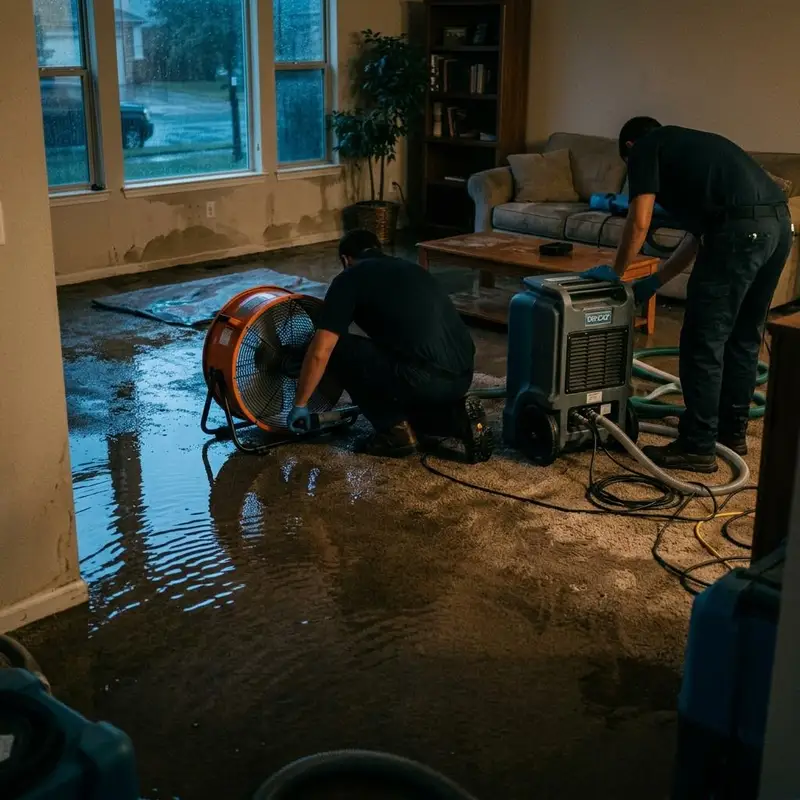
In many homes, the problem starts with the subfloor. If you have a concrete slab that was not properly sealed or if there is a vapor barrier missing, moisture can wick up from the ground into the padding. I have walked into basements where the carpet felt dry on top, but a moisture meter showed the padding underneath was saturated. That kind of hidden dampness is exactly what leads to carpet pad mold. And once it starts, it can produce mycotoxins that affect indoor air quality and make people sick.
Signs That You Might Have Hidden Mold
You do not always need to see the mold to know it is there. Here are some warning signs I have seen in homes across the country:
- A musty or earthy smell that gets stronger when the room is closed up or the humidity rises.
- Dark spots or discoloration on the carpet, especially along baseboards or near exterior walls.
- Increased allergy symptoms like sneezing, coughing, or itchy eyes when you are in the room.
- Warped or buckling areas of the carpet, which suggest moisture has soaked into the padding.
- Visible condensation on windows or walls, indicating high humidity levels that feed mold growth.
If you notice any of these, it is worth doing a closer inspection. A simple way to check is to lift a corner of the carpet gently and look at the padding underneath. If you see black, green, or white patches, or if the padding feels damp, you have a mold problem that needs attention.
What to Do When You Find It
Finding carpet pad mold can be unsettling, but you have options. The best approach depends on how widespread the mold is and what kind of surface is underneath. In small, isolated spots, you might be able to treat the area with a diluted bleach solution or a commercial mold cleaner, but that is rarely enough for a full remediation. Bleach can kill surface mold, but it does not penetrate porous materials like padding, and it can actually damage some carpet fibers. I have seen people try to clean a small patch only to have the mold return within weeks because the padding was never fully dried or replaced.
For any significant mold growth, professional removal is the safest route. A mold remediation specialist will use a HEPA vacuum to capture spores, remove the contaminated padding, and treat the subfloor with an encapsulant or sealer to prevent future growth. They will also check for subfloor moisture issues and may recommend installing a vapor barrier under the concrete slab if that is the source. In my experience, trying to save the carpet by cleaning it rarely works. Once the padding is moldy, it is nearly impossible to get all the spores out. Replacing the padding and sometimes the carpet itself is the only reliable solution.

Long-Term Prevention Strategies
After dealing with carpet pad mold, you will want to keep it from coming back. The key is controlling moisture at every level. Start with a dehumidifier in damp basements or crawl spaces. Keeping indoor humidity below 50 percent makes a huge difference. An air purifier with a HEPA filter can also help capture airborne spores before they settle.
If you are installing new carpet, consider using anti-microbial padding that resists mold growth. While this padding is not a cure-all, it adds an extra layer of protection. Also, make sure the concrete slab or particle board subfloor is dry before you lay down any carpet. A moisture meter is a cheap tool that can save you a lot of trouble later. And if you live in a humid climate, think about sealing the slab with a sealer or a vapor barrier before installing carpet.
Another practical step is to clean up spills immediately and use fans or dehumidifiers to dry the area thoroughly. Regular carpet cleaning by a professional can also help, but only if the underlying moisture problem is fixed. Otherwise, you are just cleaning the surface while the mold thrives underneath. I have seen homes where the owners spent hundreds on carpet cleaning only to find the mold came back because the padding was never addressed.
When to Call a Pro
Some mold problems are small enough to handle yourself, but if you see widespread black mold, if the mold covers more than a few square feet, or if anyone in the home has respiratory issues, it is time to call for a mold inspection and professional removal. A specialist will use tools like moisture meters and air quality monitors to find hidden pockets of mold and test for mycotoxins. They can also recommend the right encapsulant for sealing the subfloor after the mold is removed.
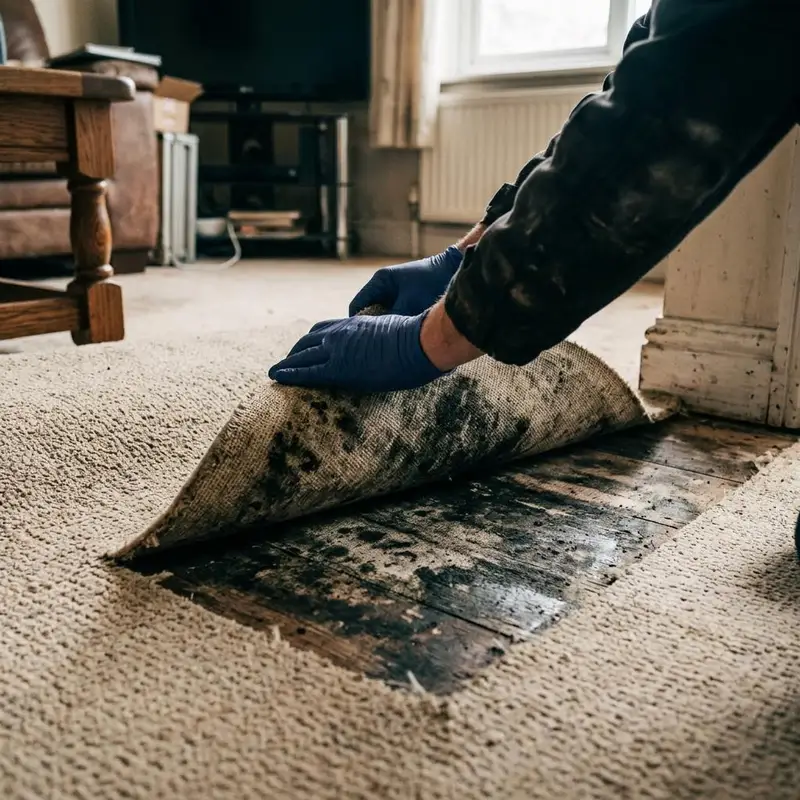
I once worked with a family who had tried to clean a moldy carpet themselves for months. They used bleach, vinegar, and store-bought sprays, but the smell kept coming back. When we finally pulled up the carpet, the padding was black with mold and the particle board subfloor was soft in places. The entire floor had to be replaced. That job would have been much simpler and cheaper if they had called a professional early on. The lesson is that carpet pad mold is not just a surface issue. It is a sign of a deeper moisture problem, and treating the symptom without fixing the cause rarely works.
Final Thoughts on Protecting Your Home
Mold in the carpet padding is one of those problems that can stay hidden until it becomes a major health hazard. The good news is that with a little vigilance and the right steps, you can catch it early and prevent it from spreading. Keep an eye on humidity levels, address leaks and spills right away, and do not ignore that musty smell. If you suspect mold, lift a corner of the carpet and check the padding. And if you find carpet pad mold, do not try to bleach your way out of it. Replace the padding, fix the moisture source, and use a HEPA vacuum to clean up spores. Your indoor air quality and your family’s health will thank you.